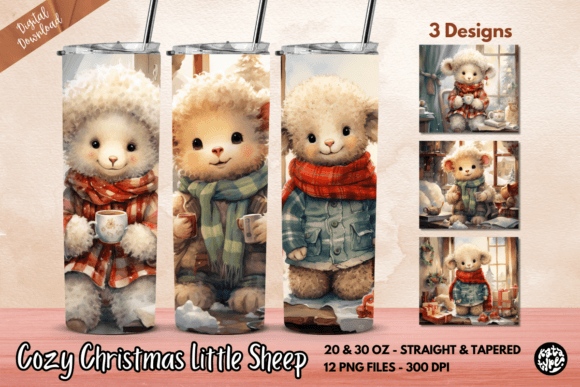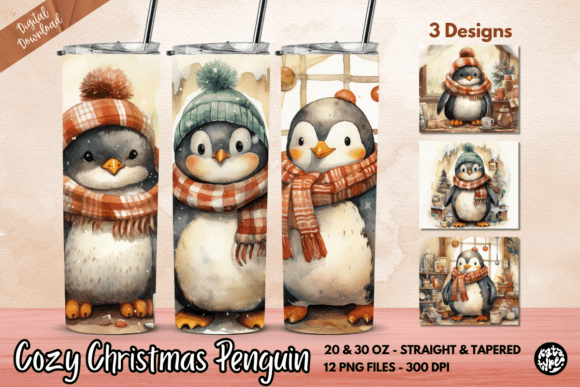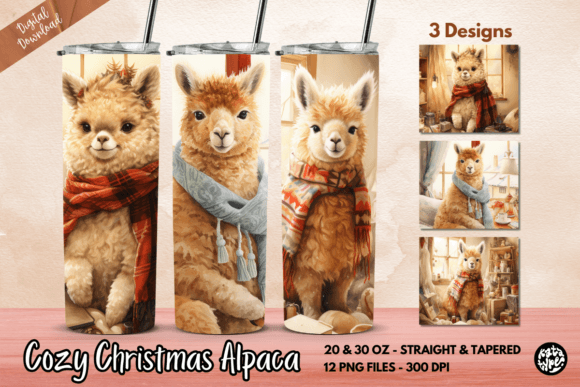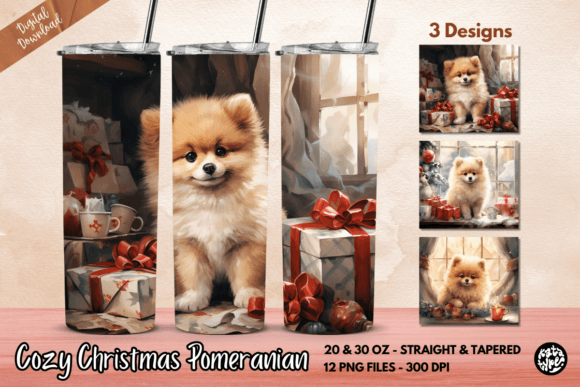
Cozy Christmas Little Fox Tumbler Wrap
A Designer’s First Glance: Warm, Whimsical, and Ready for Real Stitching
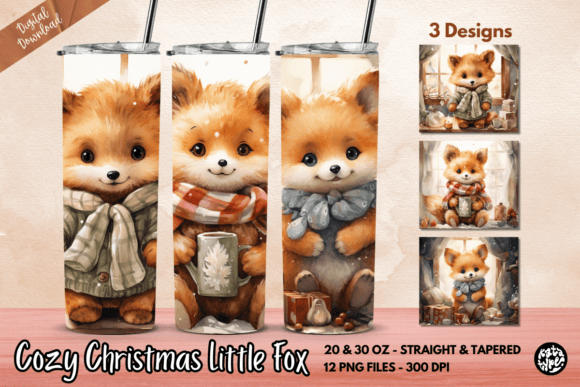
When I opened the Cozy Christmas Little Fox Tumbler Wrap, my first thought wasn’t “cute”—it was “usable.” That’s rare. So many holiday embroidery designs lean hard into cluttered details or fragile linework, but this one lands with quiet confidence: a softly rounded fox face nestled in holly, subtle snowflakes, and gentle contour lines that suggest depth without demanding perfection. The composition breathes. It doesn’t scream—it invites. As a designer who regularly translates digital graphics into stitched reality, I immediately pictured it on a linen tea towel for a local boutique, a cotton baby onesie for a holiday gift box, or even as a small embroidered patch sewn onto a woolen apron.
Where This Design Truly Shines (and Where It Asks for Thought)
The Cozy Christmas Little Fox Tumbler Wrap is built for warmth—not just thematically, but tactically. Its balanced negative space and mid-level detail make it exceptionally forgiving across common embroidery surfaces. On a medium-weight cotton sweatshirt? It reads clearly at 3.5" wide—no lost whiskers, no muddy fill stitch. On a natural canvas tote bag? The clean outlines hold up beautifully under light wear, especially when stitched with matte cotton thread. I tested a mockup on a curved kitchen towel hem—and yes, the tapered 20 oz. and 30 oz. PNG versions translated surprisingly well to that gentle arc. That flexibility matters when you’re prepping for craft fairs or Etsy listings where buyers expect cohesive, polished handmade products.
It also works quietly well for baby embroidery and nursery decor. The fox’s expression is gentle, not cartoonish; the holly is stylized, not prickly. No tiny detached elements that could snag or unravel after washing. That’s huge for parents—and for sellers who want repeat trust, not returns.
Real-World Caution Zones (Because Not Every Surface Is Equal)
That said, this isn’t a “drop-in-and-stitch” design for every scenario. On stretchy fabric like jersey or thin knit t-shirts, the outline-heavy sections need extra stabilizer support—especially around the fox’s ear tips and holly stems. Without it, those delicate curves can pucker or distort. Likewise, on dark fabric, double-check your thread color contrast before stitching. The original graphic relies on soft tonal shifts, but satin stitch over charcoal or navy demands richer, slightly warmer thread tones to keep the fox’s face expressive—not flat.
Curved surfaces like caps or tapered mugs (yes, some makers embroider directly onto insulated tumblers!) require careful hooping alignment. The straight vs. tapered PNG options help—but they’re guides, not guarantees. Always test the layout on scrap fabric first, then stitch a small section to assess how the design wraps and whether corners stay crisp. And if you’re planning dense fill areas (like the fox’s fur base), confirm stitch density won’t overwhelm lightweight fabrics or create stiffness in wearable items like baby blankets or kids’ hats.
What This Design Says About Your Brand—Without Saying a Word
Using the Cozy Christmas Little Fox Tumbler Wrap signals intentionality. It tells customers you care about balance—not just cuteness, but clarity. When stitched cleanly on a linen pillow cover or an organic cotton tea towel, it elevates the whole finished product. Buyers notice that. They feel it in the weight of the stitch, the harmony of the thread palette, the way the design sits *with* the fabric—not on top of it. That builds trust, especially for Etsy sellers and small shop owners whose reputation lives or dies by perceived craftsmanship.
It also supports brand consistency beautifully. Whether you’re offering personalized gifts, boutique merchandise, or printable mockups for other designers, this design fits seamlessly into a cozy, nature-infused holiday aesthetic—no forced seasonal tropes, no dated trends. It pairs naturally with muted reds, forest greens, cream, and charcoal, making color coordination effortless across apparel, patches, and home goods.
Practical Notes Every Embroidery Designer Should Run Through
- Test first—Always stitch a sample on your target fabric + stabilizer combo before committing to client work or bulk production.
- Check thread contrast on both light and dark backgrounds—even if your final product uses cream fabric, previewing in black-and-white mockups reveals clarity gaps.
- Review stitch density if converting from PNG to machine embroidery design. High-res PNGs don’t auto-optimize for stitch count—some digitizers may need to simplify fine holly veins for smoother running stitch transitions.
- Confirm hoop size compatibility. The design scales well, but tight corners (like the inner curve of the fox’s ear) may push limits on smaller hoops—measure before digitizing.
- Inspect small details at 200% zoom. Are snowflake points distinct? Does the holly stem taper cleanly? These are the things that separate “nice” from “noteworthy.”
- Verify licensing before selling finished embroidered items or reselling digital embroidery files. Since this is listed as a Print Templates Graphics download, clarify commercial use rights with the seller—especially if you plan to offer it as part of a craft kit or subscription box.
Final Thought: A Quiet Workhorse for Holiday Season Craft Business
The Cozy Christmas Little Fox Tumbler Wrap won’t dominate your Instagram feed with flash—but it will earn repeat orders, thoughtful reviews, and quiet nods from fellow designers who recognize solid construction. It’s the kind of embroidery file that disappears into your workflow, then reappears in the best possible way: on a perfectly stitched holiday gift, a boutique shelf, or a customer’s favorite mug sleeve. It’s not loud. It’s warm. And in a season full of noise, that’s exactly what handmade products—and the people who make them—need most.