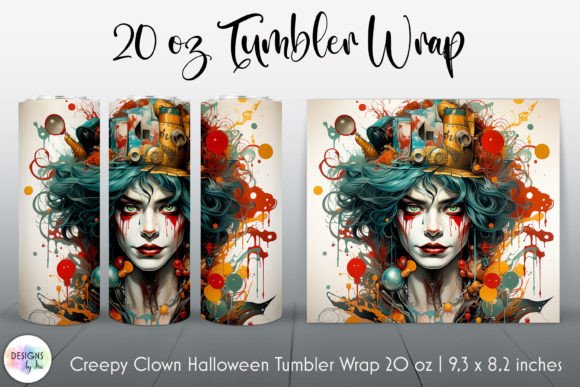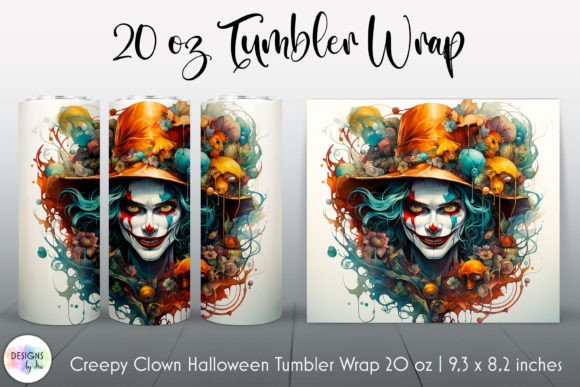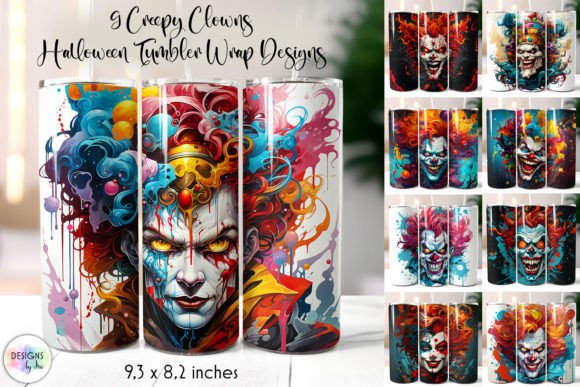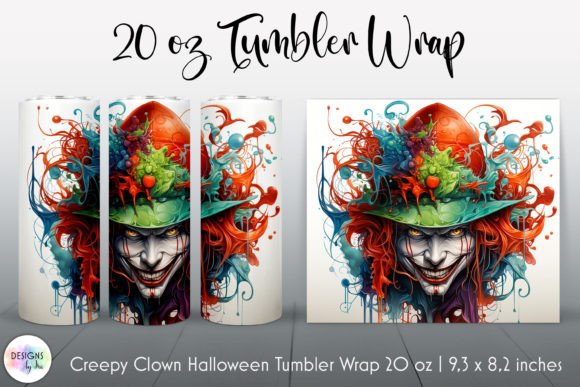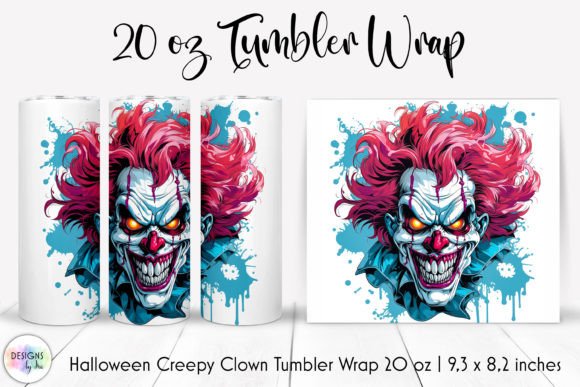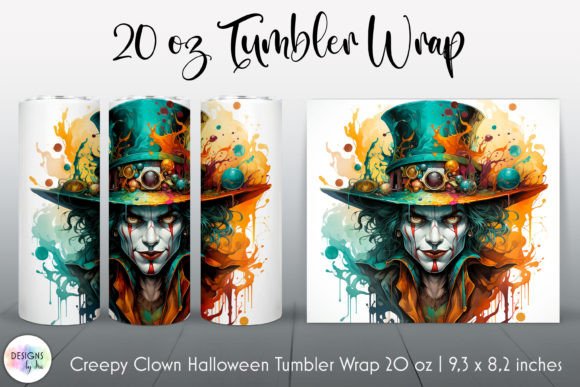
Joker Face Clown Tumbler Sublimation
First Impression: A Bold, Unsettling Statement—Not for Every Stitch
When I opened the Joker Face Clown Tumbler Sublimation file, my instinct wasn’t to reach for thread—it was to pause. This isn’t a playful circus clown or a nostalgic carnival motif. It’s intentionally unsettling: sharp asymmetry, exaggerated hollow eyes, and a grin that leans more psychological thriller than party favor. The 9.3 × 8.2-inch PNG at 300 dpi delivers crisp edges and strong contrast, but remember—this is a *sublimation wrap*, not an embroidery file. That distinction matters deeply before you translate it into stitch.
What Happens When You Try to Embroider It?
I tested the concept by adapting a simplified version for a custom embroidered tote bag—black canvas, medium-weight cutaway stabilizer, and matte polyester thread. The result? The face lost subtlety fast. Fine lines blurred. The hollow eye detail vanished under fill stitch density. What read as eerie on screen became muddy in thread unless scaled up significantly (think 6+ inches wide) and re-digitized with intentional stitch breaks, satin-stitched outlines, and strategic negative space.
This design doesn’t lend itself to direct conversion. As-is, it’s a graphic—not a machine embroidery design. If you’re an Etsy seller offering personalized gifts or a craft business producing holiday embroidery, you’ll need to either commission digitization or simplify manually. Don’t assume “PNG = ready to stitch.” It’s not.
Where It *Does* Shine—And Where It Falls Flat
- Sweatshirt embroidery: Works best as a bold chest or back focal point—on oversized hoodies or unisex crewnecks where scale supports legibility.
- Embroidered patch: Translates cleanly when reworked as an applique design with clean satin-stitched borders and minimal interior detail.
- Holiday embroidery: Fits Halloween-themed aprons, tea towels, or pillow covers—especially for adult-oriented boutiques or pop-culture gift shops.
- Small hoop sizes (under 4”): Avoid. Critical facial features collapse. The mouth, eyes, and brow lose definition quickly.
- Baby embroidery or nursery decor: Not appropriate. The mood clashes with softness, safety, and developmental sensitivity—even if technically stitched well.
- Stretchy fabric or thin cotton: High risk of puckering. Requires tear-away + cutaway hybrid stabilizer and reduced stitch density.
Real-World Use Case: A Boutique Sweatshirt Launch
Last month, I helped a small shop owner prep a limited Halloween collection—including a black heavyweight sweatshirt with a centered Joker Face Clown Tumbler Sublimation-inspired motif. We didn’t use the PNG raw. Instead, we treated it as a reference: traced key shapes, simplified the grin into two confident satin-stitched curves, kept the eyes as open negative space (stitched only around the perimeter), and added subtle shadow fill using low-density fill stitch. Result? A handmade product that felt intentional—not like a flattened sublimation afterthought. Customers responded to the craftsmanship, not just the theme.
Design Assets vs. Finished Product: Know the Line
The Joker Face Clown Tumbler Sublimation is a graphics asset—not embroidery-ready design assets. That means it’s ideal for printable mockups, digital previews, or sublimation tumbler wraps (as intended), but it demands translation before needle meets fabric. For craft business owners selling digital embroidery files, this isn’t plug-and-play. For apparel decorators adding value to custom orders, it’s a starting point—not a solution.
If you’re listing on Etsy or building a small shop product line, clarity matters: label your listings honestly. Don’t call it a “machine embroidery design” unless you’ve digitized it yourself or verified licensing allows redistribution. And always confirm commercial use rights—especially since the description notes “It is not a SVG file and can not…” (the sentence cuts off, so verify scope with the seller).
Practical Embroidery Designer Notes
- Test the adapted design on scrap fabric *first*—especially with your target thread colors and stabilizer combo.
- Check thread color contrast carefully: light thread on dark fabric hides fine detail; dark thread on light fabric exaggerates harshness.
- Review stitch density. High-density fills flatten texture; reduce density by 15–20% for breathable fabrics like cotton tees.
- Confirm hoop size compatibility. Even a simplified version needs at least a 5×7 hoop for legible expression.
- Inspect small details in both black-and-white and color mockups—what reads as “creepy” on screen may read as “confusing” in thread.
- Compare performance on light vs. dark fabric backgrounds. The design’s contrast works better on black or charcoal than cream or heather gray.
- Use proper stabilizer—cutaway for knits, tear-away for stable wovens, and avoid heat-away unless testing first.
- Verify licensing before selling finished items or digital products. This is a graphics file, not a licensed embroidery motif.
Final Thought: Mood Is Part of the Material
Great embroidery isn’t just about precision—it’s about intention. The Joker Face Clown Tumbler Sublimation carries weight. Used thoughtfully—with respect for its tone, scale, and limitations—it adds character to custom apparel, boutique merchandise, and holiday embroidery. Used hastily, it undermines handmade presentation and customer trust. Whether you’re stitching a personalized gift or scaling a craft business, let the design serve the story—not the other way around.