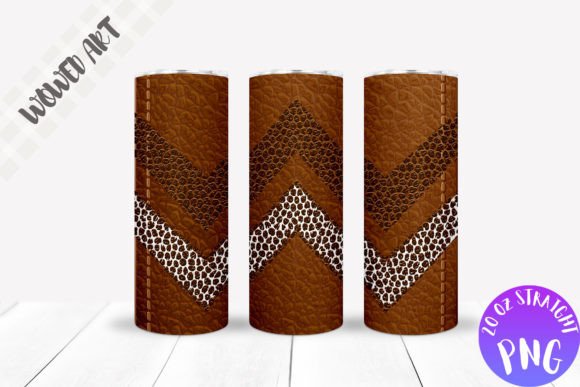
Leather Texture Tumbler Wrap: Graphics for Crafts & Branding
First Impression: Warm, Tactile, and Instantly Trustworthy
When I opened the Leather Texture Tumbler Wrap files, my immediate reaction wasn’t “nice texture”—it was “this feels like a handshake.” That’s rare in digital design assets. The grain is detailed but not noisy, rich but not overwhelming—evoking artisanal craftsmanship, quiet confidence, and grounded authenticity. It leans into warmth and approachability without sacrificing polish, making it ideal for brands that want to signal care, quality, and human-centered values. For lifestyle bloggers, small-batch product creators, or online coaches building a nurturing brand voice, this graphic design asset doesn’t just decorate—it communicates intention before a single word is read.
A Real Campaign Fit: Launching a Sustainable Lifestyle Line
Last month, I used Leather Texture Tumbler Wrap to anchor the visual identity for a new reusable tumbler collection launching across Instagram, Pinterest, and email. We needed cohesion across 12+ touchpoints—from Canva templates for social media graphics to printable packaging inserts and blog headers—without hiring a designer for every variation. Leather Texture Tumbbler Wrap became our unifying “anchor texture”: applied subtly behind product photos, layered under headlines in Pinterest pins, and scaled down as a border element in email banners. It gave the entire campaign a tactile, premium consistency that elevated even simple text-based posts—and helped our audience instantly recognize our visual language amid crowded feeds.
Where It Strengthens Brand Communication
This PNG design works powerfully where emotional resonance matters most. In packaging design, it adds subtle sophistication to product labels and shipping inserts. In editorial design and blog graphics, it creates grounded contrast behind quotes or tips—enhancing readability while reinforcing brand tone. As part of a digital product bundle or lead magnet, it signals thoughtful curation. On social media graphics and digital ads, it boosts visual hierarchy by grounding bold typography with organic depth. And because it’s delivered as high-res PNG files (9.3×8.2″), it scales cleanly for both hero graphics and smaller applications like Instagram story stickers or Facebook ad banners—especially when resized thoughtfully for 30oz skinny tumblers or other curved surfaces.
Where It Builds Audience Trust—Without Saying a Word
Consumers don’t trust logos—they trust cues. Leather Texture Tumbler Wrap delivers consistent, sensory-rich cues: natural material, hand-finished detail, intentional imperfection. That subconsciously reinforces credibility for small business branding, especially in niches like wellness, education, sustainability, and creative entrepreneurship. When paired with clean sans serif fonts or soft script fonts, it balances modernity and humanity. When used alongside warm brand colors, it deepens emotional connection; against monochrome palettes, it adds quiet luxury. It’s not flashy—but it makes your marketing visuals feel *considered*, which directly supports audience trust and stronger recognition.
Best Uses: Strategic Placement Over Decoration
Leather Texture Tumbler Wrap shines brightest in high-impact, low-clutter contexts: campaign headers, branded Canva templates, Instagram profile covers, Pinterest pin backgrounds, packaging accents, content kit dividers, and digital product visuals. It’s exceptionally effective in hero graphics where you want texture to support—not compete with—your core message. Use it as a framing device around testimonials, as a background layer beneath transparent logo lockups, or as a subtle overlay on product photography to unify a content library. Its strength lies in restraint: one well-placed application often outperforms three scattered ones.
Use With Care: Context Is Everything
This graphic design asset isn’t universal. Avoid it in formal corporate branding where minimalism or technical precision dominates. Don’t layer it behind dense text blocks—it weakens visual hierarchy. Skip it for small mobile graphics (under 300px wide) unless heavily desaturated or masked, as fine grain can blur or distract. It’s also less effective against low-contrast backgrounds or in overly minimal brands that rely on stark whitespace. If your messaging is highly functional (e.g., SaaS feature comparisons), let clarity win over texture. And never assume compatibility—always test how Leather Texture Tumbler Wrap interacts with your specific serif, sans serif, script, and display fonts in real mockups.
Pro Designer Notes You Can’t Skip
- Test it with your full brand color palette—some leathers mute cool tones or overwhelm pastels.
- Check black-and-white usage: Does the grain hold up in grayscale? Does it still read as “leather” or flatten into noise?
- Place it inside real campaign mockups, not just isolated previews—see how it breathes next to photos, icons, and copy.
- Preview on mobile screens at actual size: does the texture enhance or obscure your call-to-action?
- Verify commercial licensing before using in client work, paid ads, or digital product bundles—this is essential for professional branding.
- Compare against competitor visuals: Does it help you stand out—or blend in?
- Review spacing and balance: Leather Texture Tumbler Wrap invites generous margins. Crowding it kills its calm authority.
Final Verdict: A Quietly Powerful Creative Design Asset
Leather Texture Tumbler Wrap isn’t just another clipart download—it’s a strategic communication tool. For marketers, designers, and creative entrepreneurs building authentic, tactile, and memorable brands, it bridges the gap between digital convenience and human warmth. It performs reliably across Crafts and Graphics use cases: from printable design for local markets to polished social media graphics for global audiences. Yes, it’s a PNG design—not SVG—but its resolution, flexibility, and mood-driven utility make it more versatile than many vector alternatives. If your goal is stronger first impressions, clearer visual hierarchy, and content that feels *made for people*, not algorithms—this is one graphic design asset worth keeping in your core toolkit.