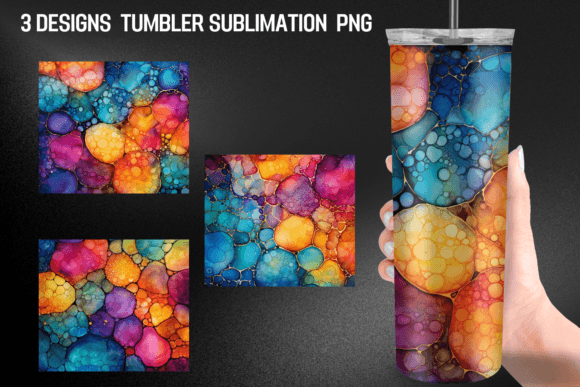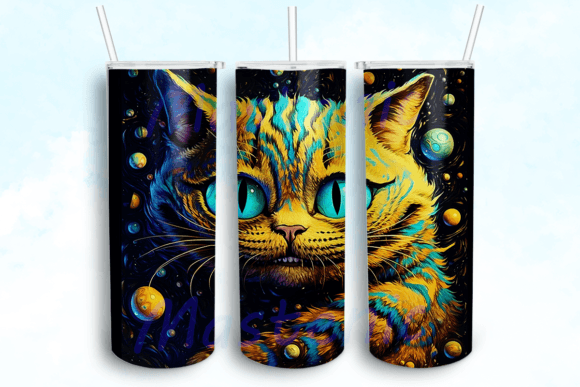
Alcohol Ink Cheshire Cat Tumbler PNG
Let’s be real: when I opened Alcohol Ink Cheshire Cat Tumbler PNG for the first time, I wasn’t thinking about tumblers at all—I was mentally stitching it onto a soft cotton tote bag for a local indie bookstore’s “Mad Hatter Tea Party” pop-up. That’s how this design lands: playful, slightly surreal, and instantly evocative—but not in a cartoonish way. It carries the fluid, dreamy energy of alcohol ink art—soft edges, subtle gradients, expressive line work—and that translates surprisingly well into embroidery, *if* you treat it with intention.
A Design That Breathes—Not Just a Silhouette
This isn’t a bold, high-contrast vector cutout. The Alcohol Ink Cheshire Cat Tumbler PNG leans into mood over precision: wispy tail flicks, a grin that fades softly at the corners, eyes that hold depth without heavy outlines. That’s both its strength and its quiet challenge for embroidery. On a smooth, medium-weight fabric like twill or pique, those organic transitions read beautifully in satin stitch—especially when you layer thread colors to mimic ink bleed (think teal-to-lavender blends or charcoal-to-sage gradients). But on thin jersey or stretchy baby knit? Those delicate edges can blur or distort unless you adjust stitch density and stabilizer support.
Where It Shines in Real Embroidery Projects
I tested the tapered version on a curved surface—a lightweight trucker cap—and it wrapped cleanly around the front panel. No warping, no distortion. That tells me the tapering is thoughtfully calibrated—not just stretched, but intelligently reshaped. For small business owners and Etsy sellers, that’s gold: it means less manual digitizing prep before turning Alcohol Ink Cheshire Cat Tumbler PNG into an embroidered patch, apron front, or pillow cover for a nursery-themed boutique line.
- Tote bags & tea towels: Works elegantly at 3.5–4.5 inches wide—large enough to read, small enough to keep charm intact. The fluid lines soften the rigidity of cotton canvas.
- Sweatshirts & hoodies: Best as a left-chest accent (not full-back), especially in muted thread palettes. Avoid placing it directly over thick seams or ribbed cuffs where stitch tension fights the curve.
- Baby items & nursery decor: Gentle enough for onesies or muslin pillow covers—just skip dense fill stitches near facial features. A light running-stitch outline + open satin fill keeps it breathable and wash-safe.
- Holiday or wedding gifts: Surprisingly versatile for “whimsical but refined” gifting—think monogrammed linen napkins with a tiny Cheshire Cat corner motif, or a custom embroidered kitchen towel for a bookish couple’s registry.
Where to Pause—and Plan Ahead
The grin and eyes are expressive, yes—but they’re also the most vulnerable parts in stitch. On dark fabric, fine details can disappear without contrast testing. On textured fabrics like terry cloth or bouclé, those soft ink-like transitions may get lost entirely unless you lift stitch height or add a subtle underlay. And while the PNG files give flexibility, remember: this is *not* a machine embroidery file out of the box. You’ll need to digitize it—or work with a digitizer who understands how to interpret alcohol ink texture in stitch language (e.g., using variable-density fill, staggered satin columns, or intentional “bleed” in thread lay).
Also: don’t assume it scales perfectly down to 2 inches. That tapered file is optimized for 20oz skinny tumblers—but on a curved cap or child’s beanie, test at 2.25" first. Tiny lettering or micro-details? Not present here—and that’s honest. This design trusts negative space and suggestion over clutter. Lean into that.
What It Adds to Your Craft Business—Beyond the Stitch
For Etsy sellers and small shop owners, Alcohol Ink Cheshire Cat Tumbler PNG quietly elevates perceived value. It doesn’t scream “sale”—it invites pause. Customers scrolling past a wall of generic cat designs will linger on this one. Why? Because it feels handmade *in spirit*, even before it’s stitched. That supports premium pricing, repeat buyers, and cohesive branding—especially if you pair it with other alcohol ink–style motifs (botanicals, abstract florals, vintage typography) across your shop.
It also builds trust. When a customer sees this on a finished embroidered tote—cleanly aligned, thoughtfully scaled, with thread colors that echo the original ink palette—they don’t just see a product. They see curation, care, and design literacy. That’s what turns a one-time buyer into a newsletter subscriber.
Practical Designer Notes Before You Stitch
- Always test Alcohol Ink Cheshire Cat Tumbler PNG on scrap fabric matching your final project’s weight, stretch, and color.
- Check thread color contrast on both light and dark backgrounds—even grayscale mockups reveal clarity gaps.
- Review stitch density: too dense = stiff fabric; too sparse = loss of ink-like flow. Aim for 70–85% fill in key areas, lighter elsewhere.
- Confirm hoop size compatibility *before* digitizing—especially if planning for caps or curved garments.
- Use cutaway or tear-away stabilizer depending on fabric stability—never skip it on knits or loosely woven crafts.
- Verify licensing terms: this is a digital embroidery file for commercial use only if explicitly permitted. When in doubt, contact the seller.
- For printable mockups or digital product previews, the straight PNG works cleanly over flat surfaces; the tapered version shines in 3D mockup tools.
In short: Alcohol Ink Cheshire Cat Tumbler PNG isn’t just another cat graphic. It’s a mood, a conversation starter, and a thoughtful design asset—if you meet it where it lives: in subtlety, texture, and intentional craft. Use it like a designer, not just a downloader. Test it like a pro. And let that grin do the talking—quietly, confidently, and with unmistakable handmade soul.