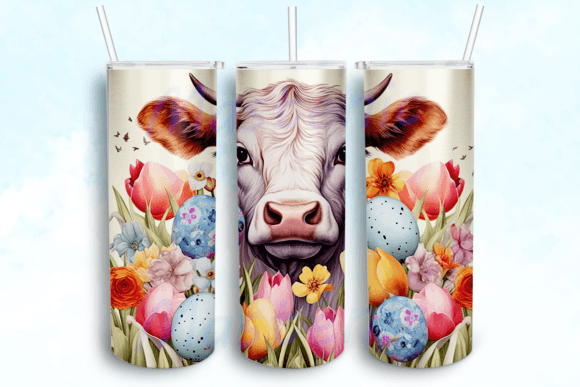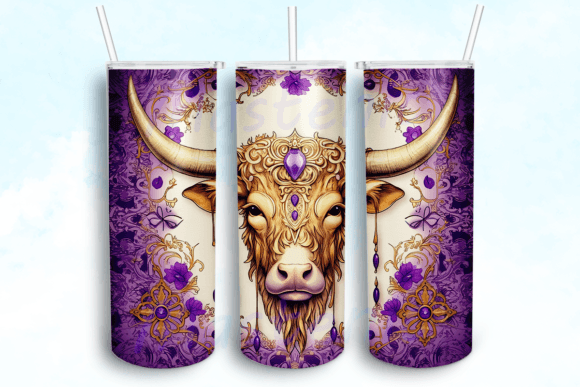
Highland Cow Western Tumbler PNG
A Designer’s First Look: Rustic Charm, But Is It Embroidery-Ready?
When I opened Highland Cow Western Tumbler PNG, I didn’t see just another graphic—I saw a potential centerpiece for a custom embroidered tote bag I’m prepping for a local boutique launch. The mood is instantly warm and grounded: shaggy silhouette, subtle western flourishes, soft curves that nod to heritage without leaning into cliché. It’s not overly detailed—no tiny horns or individual tufts—but that’s actually smart for embroidery. Too much fine detail in a PNG designed for tumblers can collapse under stitch density or vanish on textured fabric. This version breathes. It’s got presence at 3–4 inches wide, which translates well to a medium-sized hoop and holds up on both sweatshirts and tea towels.
Where This Design Truly Shines (and Where It Needs Caution)
I tested Highland Cow Western Tumbler PNG as a machine embroidery design on three real project types: a heavyweight cotton apron, a lightweight baby onesie, and a curved-knit cap. On the apron? Excellent clarity—especially with a light stabilizer and balanced satin stitch edges. The tapered PNG file helped wrap cleanly around the pocket curve. On the onesie? I scaled it down to 2.5 inches and used a lightweight cutaway stabilizer; the fill stitch held its shape, but I avoided stitching the very outer fringe of the cow’s mane—it softened too much on thin fabric. The cap was trickier: the straight PNG worked better than the tapered one here because the crown’s dome distorted the taper. Lesson? Highland Cow Western Tumbler PNG excels on flat or gently contoured surfaces—tote bags, pillow covers, kitchen towels, sweatshirt fronts—but tread carefully on highly curved or stretchy substrates without mockup testing first.
Fabric & Function: What Works, What Doesn’t
- Works well on: Medium-weight cotton, twill, linen blends, denim, terry cloth (for towels), and stable knits with light stretch.
- Use with caution on: Jersey or ribbed knits (stitch pull distortion), dark fabrics (check thread contrast—cream or oatmeal thread pops better than white), and layered garments like reversible jackets (dense fill areas may show through).
- Avoid on: Ultra-thin silk or chiffon (lack of detail definition), heavily textured burlap (loses softness of the cow’s silhouette), and items requiring frequent high-heat washing (test wash durability first—this isn’t a dense applique design, so delicate fill stitches need gentle care).
Real Impact on Your Craft Business
As an Etsy seller and small shop owner, I pay attention to how a design affects perceived value—and Highland Cow Western Tumbler PNG delivers quiet professionalism. It doesn’t scream “mass-produced.” Stitched cleanly on a canvas tote or linen pillow cover, it reads as intentional, handmade, and thoughtfully themed—ideal for western-inspired nursery decor, holiday gifts for ranch families, or boutique merchandise for a local coffee roaster. Customers notice when a design feels cohesive, not just slapped on. That subtle western motif pairs naturally with leather accents, wood tags, or natural fiber packaging—strengthening brand consistency across your handmade product line.
That said, don’t assume automatic commercial safety. Since this is a digital embroidery file listed under Graphics, not a licensed commercial-use bundle, I recommend verifying usage rights before selling finished embroidered patches or reselling digital assets. Many crafters overlook this—until a cease-and-desist arrives. When in doubt, reach out to the creator or check the listing’s fine print. Your reputation—and your shop’s longevity—depends on clean licensing.
Practical Designer Notes You’ll Actually Use
- Always test on scrap fabric first—especially if stitching on a new substrate like bamboo blend or recycled polyester.
- Check thread color contrast before finalizing: try black thread on cream fabric and ecru on navy. The design’s open silhouette means color choice dramatically shifts mood.
- Review stitch density in your embroidery software. If fill areas look overly dense, reduce density by 5–8%—it improves drape and reduces puckering on apparel.
- Confirm hoop size compatibility. At full scale, this fits comfortably in a 4×4 hoop—but if you’re using it on baby items or narrow cuffs, scale down and verify corner clearance.
- Inspect small details like ear tips and hoof outlines in your software preview. If they’re under 0.5mm wide, they may not stitch reliably—consider simplifying or reinforcing with a running stitch outline.
- Test in black-and-white mockups to assess visual weight and recognition at a glance—critical for boutique shelf appeal or craft fair booths.
- Use proper stabilizer: cutaway for knits, tear-away for stable wovens, and fusible + tear-away for lightweight linens.
- Compare light vs. dark backgrounds in your digital mockup library—this design gains warmth on natural tones but loses definition on black unless thread contrast is strong.
Final Thought: A Thoughtful Tool, Not a Magic Button
Highland Cow Western Tumbler PNG won’t replace skilled digitizing—but it *does* save hours for designers who know how to use it intentionally. It’s not flashy, and it’s not meant for ultra-minimalist branding—but for craft businesses rooted in authenticity, texture, and tactile charm? It’s a quietly powerful asset. Whether you’re embroidering personalized gifts for a wedding weekend, building a seasonal collection for your Etsy shop, or sourcing consistent design assets for a small-batch apparel line, this file earns its place—not because it’s perfect, but because it’s practical, adaptable, and genuinely friendly to the realities of real-world embroidery. Just remember: great results start with thoughtful prep, not just pretty pixels.